

The Hertfordshire Electrician
Electricians make use of a variety tools and instruments for their work. They must also be able to work in a safe manner and adhere to all applicable building regulations.
Hertfordshire electricians are available if you need any electrical repairs or installations. They can assist you with the installation of new circuits, lighting, rewires, and other.
Qualifications
If you're looking to get electrical work done in your home, you need to hire an electrician who is qualified and experienced. You can check an electrician's qualifications by using the NICEIC contractor finder online or by examining their NICEIC card. Requesting references from previous customers and recommendations is an excellent idea.
Electricians are trained at varying levels, based on the type of work they do. Some electricians are journeymen who have completed their apprenticeships. Others are masters with advanced qualifications.
You can start your career as a home electrician, or decide to specialize in commercial work. There are many kinds of commercial qualifications, including electrical services for restaurants and pubs, industrial installation, and solar energy.
If you wish to become an electrician for commercial purposes then you need to complete an electrotechnical degree - which is either the Level 3 NVQ Diploma in Electrotechnical Services (Maintaining Electrotechnical Systems) or a Level 3 NVQ Diploma in Electrical Installations (Buildings and Structures). These qualifications will allow you to carry out a variety of electrical tasks in different settings.
After the completion of these courses, you will need to have an experience of a few years in the electrotechnical field. You can learn how to become a domestic or commercial electrician by taking an electrical course at NVQ level 3 with Learn Trade Skills (LTS).
The NVQ Electrical course is a portfolio-based. It allows you to complete it at your own pace and at your own time. It consists of three elements of Step 1. Step 1 is a GCSE or equivalent qualification in maths and English The second step is a relevant Level 3 electrical installation course and Step 3 is the completion of an NVQ portfolio that is signed by an accredited individual.
After completing the NVQ electrical course you'll be able to apply for an JIB Grading Gold Card and join a number of professional bodies, such as NICEIC and NAPIT. This will give you the confidence and skills to begin your own electrical business, or to become an independent self-employed electrician.
Experience
Hertfordshire is a hotbed of technological innovation with companies like Google, Apple and Microsoft located in the region. If you're looking for the newest and greatest electrical gadgets for your business or home, a call to GC Electrics is the name of the game. From wiring repairs to lighting installation and rewires we are able to assist you. electrician hertfordshire can get all this for a reasonable price. The latest electrical technology from a company that cares. The GC Electrics staff is always available to help you. The GC Electrics team can help you if you're a Hertfordshire based electrician looking to increase your image.
Health & Safety
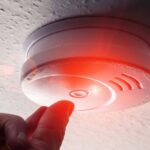
Electricians must be aware of safety measures to protect themselves and their co-workers. This includes making sure they use proper equipment and are properly trained to complete their job. They should also make sure they're following all laws and working in a safe way.
Personal protective equipment (PPE) is essential for electricians as it helps to prevent injuries from occurring while they work. They are also protected from the weather. electrician hertfordshire can include things like goggles, gloves, and helmets.
Electricians should also keep their hands drier, as water can increase the conductivity of electricity. This could lead to electrocution if the electricians aren't careful.
It is crucial to remove any electrical appliance or installation located near the bath or sink. This is especially true when the device has damaged or frayed cables.
electrician in hertfordshire in Hertfordshire must abide by all safety and health regulations to ensure that their work environment to be safe. They should also stay away from working at heights, as this increases the risk of injury and falling.
When working on an electric system, they must also be aware of latest guidelines and regulations. For instance an Hertfordshire Electrician must make sure they follow the guidelines established by the Building Regulations, as well as other standards.
It is also important to test all electrical devices regularly to ensure that they're safe and working correctly. This could include conducting visual examinations or testing the wiring of the devices to ensure that there aren't any problems.
The Health and Safety at Work Act 1974 states that employers are required to do everything they can to ensure the safety of their workers. Employers must ensure that there are no dangers in their workplaces and ensure that everyone is aware of what to do in case of emergency or in the event of an accident.
All electrical work should be handled by a licensed electrician in Hertfordshire or prior to notifying your local authority to ensure you are in compliance with the legal requirements. It is important to ensure that any electrical installation or appliance is PAT tested, as this can help you minimise the chance of accidents happening during your work.
Insurance
It is no surprise that Hertfordshire Electrician, who earns an impressive salary, has a comprehensive plan for insurance. We all know that mistakes here and there is all too common and having the right insurance plan can make the difference between a crowd of delighted customers and a quiet night in. In the end, we've put together a list of the most reliable and up-to current insurance providers in the county. These are just a few of the many who are willing to talk with you about your requirements and help you pick the best insurance plan for your company. The most important thing to do is determine if we can assist you in making a smooth transition from one insurance provider to the next.